
Photography Travel Adventures Summer 2027: Newfoundland and Acadia National Park
Discover two extraordinary photography adventures in 2027, designed to inspire your creativity and immerse you in some of North America’s most spectacular landscapes. In June 2027, join us in Acadia National Park for an extraordinary photographic journey capturing dramatic coastlines, breathtaking landscapes, and stunning skyscapes. Then in July 2027, experience a nine-day adventure through Newfoundland, where photography, discovery, and renewal come together amid rugged coastlines,
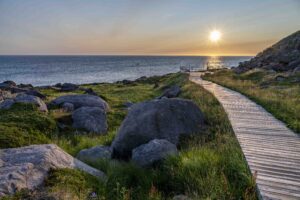
Cape Spear Newfoundland
charming fishing villages, abundant wildlife, and rich cultural heritage. These are far more than traditional photography tours. Each program is carefully crafted to provide exclusive experiences and memorable opportunities that go well beyond the typical tourist itinerary. You’ll visit remarkable locations, enjoy unique local experiences, and photograph extraordinary scenes that many visitors never have the chance to see. Below is a description of the 2027 Newfoundland program, followed by the Acadia National Park adventure.
Newfoundland: A Nine-day Journey of Photography, Discovery, and Renewal
Some places are visited. Newfoundland is experienced
Come join us for nine unforgettable days as we slow down, look more deeply, and discover a land where rugged coastlines meet the North Atlantic, colorful fishing villages cling to rocky shores, and generations of resilient people have built lives shaped by the sea, wind, and weather,
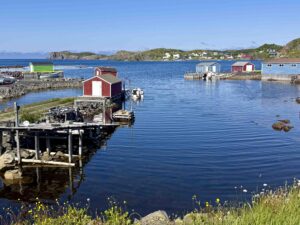
Ubiquitous Fishing Villages
This is far more than a photography workshop. It is an invitation to experience Newfoundland through your camera – and through your heart. Together, we’ll photograph breathtaking seascapes, dramatic cliffs, quiet coves, historic outports, and hidden landscapes that most travelers never see. We’ll rise before dawn to greet the first light and linger through the golden glow of evening, learning to create images that capture not only the beauty of a place, but its spirit. Along the way, we’ll meet local residents who will share their stories, traditions, and warm hospitality. We’ll savor authentic Newfoundland cuisine, enjoy traditional music, and gain a deeper appreciation for the history and culture that continue to shape this extraordinary island.
We’ll travel at a relaxed pace, leaving the crowds behind in favor of quieter roads, lesser-known locations, and moments of stillness There will be time to pause, to observe, to reflect, and to discover that the best photographs often come when we stop rushing and simply become present.
Whether you’re an experienced photographer or an enthusiastic beginner, you’ll refine your artistic vision while seeing with fresh eyes and noticing the extraordinary hidden within the ordinary.
As our journey draws to a close, we’ll reflect on the lessons we’ve learned – not only about photography, but about living more intentionally.
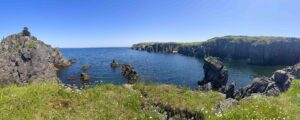
Twilllingate
Each participant will create a personal action plan for bringing home the habits that inspire creativity, curiosity, and a deeper connection with nature and the people around us.
You’ll leave with far more than beautiful photographs. You’ll return home with lasting friendships, unforgettable experiences, renewed inspiration, and a richer appreciation for the simple joy of seeing the world through a lens of wonder.
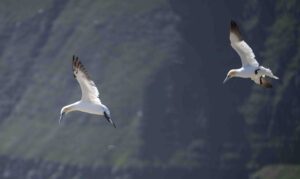
Cape Mary Gannets
Who should attend? This unique photography adventure is offered for photography enthusiasts of all skill levels who would like to experience the culture and history of Newfoundland while photographing one of the most inspiringly beautiful places in the world. The key focus of this program is on your uniqueness and vision as a photographer. What do you see? How do you see yourself and the world around you? How can a photograph tell a story (a story of how you see the world)? You will be invited to become aware of a sense of place, the human and natural world around you, and how you see your relationship with our world. If you would like to:
- Learn about Newfoundland’s history, culture, and environment and how these have helped to shape who Newfoundlanders are today,
- Connect with our amazing natural world and experience stunningly beautiful landscapes and seascapes,
- Evolve your photography practice by deepening your ability to tell a story,
- then we invite you to join us for this nine-day Newfoundland adventure!
What will we do? A lot!*
Nine-Day Itinerary (July 2027)
Day 1 – Arrival at St. John’s Airport
- Arrive at St. John’s International Airport (YYT)
- Dave will meet you at the airport and transport you to accommodations overlooking the colorful St. Johns harbor
- Welcome orientation and introduction to our journey
- Dinner together featuring traditional Newfoundland cuisine
- Sunset photography session at Signal Hill or Cape Spear (weather dependent)
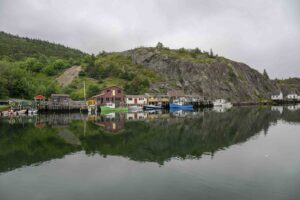
Quidi Vidi Fishing Village
Day 2 – St. John’s and Cape Spear/The Edge of the Atlantic
- Sunrise shoot at Cape Spear, the easternmost point in North America
- Coastal photography along rugged cliffs and historic lighthouse landscapes
- Street photography in St. John’s colorful downtown and Jellybean Road
- Afternoon session on composition and storytelling in photography
- Meet with a local historian and/or fisherman to learn how the culture, history, and environment have shaped who Newfoundlanders are today
- Dinner with traditional folk music
Day 3 – Cape St. Mary’s Ecological Reserve (Gannets)
- Early departure for Cape St. Mary’s
- Half-day photography at one of the most accessible seabird colonies in North America
- Photograph thousands of northern gannets nesting on dramatic sea cliffs (also, a variety of other seabirds, including kittiwakes, razor bills, gulls, etc.)
- Instruction on wildlife and telephoto techniques
- Picnic lunch overlooking the North Atlantic
- Drive to Twillingate and settle into our accommodation, followed by dinner
Day 4 – Twillingate Exploration: Iceberg Alley and Coastal Dramatic Scenes
- Sunrise photography along rugged cliffs, sea stacks, and ocean viewpoints
- Explore Twillingate’s fishing harbors and historic outport character
- Visit local fishing sheds and conversations with fishermen
- Afternoon photo editing focused on storytelling, – share images
- Dinner in Twillingate
- Sunset at Long Point Lighthouse
Day 5 – Ferry to Fogo Island
- Morning ferry crossing to Fogo Island
- Coastal photography en route, capturing remote waters and island approaches
- Arrival and exploration of Fogo Island’s striking architecture and terrain
- Afternoon photography of fishing villages, shorelines, and village life
- Dinner featuring traditional island cuisine
- Evening storytelling session with local residents
Day 6 – Fogo Island Immersion
- Sunrise photography at Brimstone Head or other iconic Fogo locations
- Full-day exploration of dramatic coastlines, rock formations, and cultural sites
- Evening gathering with local musicians and cultural sharing
Day 7 – Ferry Return and Drive to Bonavista Peninsula
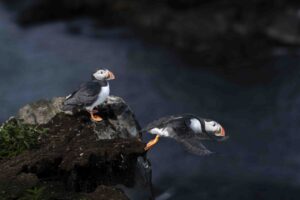
Atlantic Puffins
- Morning Ferry return from Fogo Island
- Drive along Newfoundland’s scenic coastal routes
- Stop for landscape photography along the journey
- Arrive at Bonavista Peninsula
- Dinner – traditional food and informal image review
- Sunset shoot along sea cliffs, coves, and wave-worn shorelines
Day 8 – Bonavista Peninsula and coastal outports
- Sunrise photography at Elliston cliffs
- Puffin photography at Elliston cliffs
- Visit Cape Bonavista Lighthouse and Dungeon Provincial park for sea stacks and collapsed limestone formations
- Photo editing and group sharing
- Action plan design
- Dinner in Bonavista
- Optional night photography under dark coastal skies (weather dependent)
Day 9 – Return to St. John’s and Departure
- Early morning return journey to St. Johns
- Final reflections and group image sharing
- Optional last-minute photography in St. Johns harbor
- Transfer to St. Johns International Airport (YYT)
- Farewell
When will we go? Saturday, July 10 to Sunday, July 18, 2027
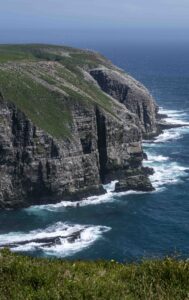
Dramatic Seascapes
What are the costs? $3,100 (includes: all in-country travel, double occupancy lodging, meals, and activity and park fees; Does NOT include round trip airfare from home to St. Johns International Airport, Newfoundland).
What camera equipment should you bring? We recommend bringing the following: a digital SLR or mirrorless camera (a phone camera is also an option); a sturdy, portable tripod; a day pack to carry your camera equipment, layers of clothes, rain gear, lunch, and water bottle; several SD cards; extra batteries and charger; camera manual; a wide-angle lens, a workhorse lens – like a 24mm to 120mm, and a telephoto lens for capturing puffins and gannets. We also encourage you to bring your computer with photo-editing software such as Lightroom.
What level of physical fitness is required? You will get the most out of this experience if you are in adequate physical condition (e.g. able to walk 2 miles on moderate terrain carrying a day pack with your camera, rain gear, and water bottle). For a baseline, you should be comfortable walking a mile or more to get the most out of this experience.
Who are we? Dave Oakes, and his wife, Sue, are cofounders of the Center for Ecological Living and Learning (CELL), a
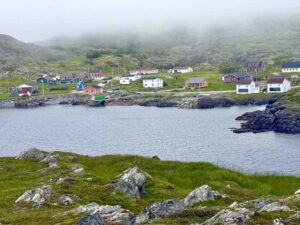
Coastal Villages
nonprofit dedicated to inspiring vision and action for sustainable living. They believe that travel is much more than sightseeing – it can deepen our appreciation for nature, strengthen our connections with others, and inspire us to live with greater purpose.
Dave holds a doctorate in environmental education and has taught at both Unity College in Maine and Principia College in Illinois. For more than 25 years, he has led educational learning adventures in many parts of the world, helping people discover the natural and cultural richness of places they visit. His passion is creating experiences that educate, inspire, and foster a deeper connection with the world around us.
An avid nature and landscape photographer, Dave earned the digital photographer of the year award from the Gaithersburg, Maryland Camera Club in both 2025 and 2026. He believes photography is about more than creating beautiful images. It is a way of slowing down, paying attention, and discovering the stories that connect people, places, and nature. Newfoundland has captured Dave’s heart, and he is continuously drawn back by its breathtaking landscapes, rich history, vibrant culture, and warmth and generosity of its people. He looks forward to sharing this remarkable island with you – not simply as visitors, but as fellow travelers discovering its beauty, spirit, and enduring sense of place.
Interesting Facts about Newfoundland:
- Newfoundland is Canada’s 4th largest island and the 15th largest island in the world.
- It used to be an independent country. In 1907, Newfoundland was given dominion status by the UK along with New Zealand, Australia, and Canada. It remained on an equal status until 1949, when it joined the Canadian confederation. It is officially named “Newfoundland and Labrador.” In 2001 they officially changed the name to Newfoundland and Labrador to reflect the larger chunk of land on the continental mainland. 94% of the region’s population live in Newfoundland even though Labrador has twice the area and is connected to the mainland.
-
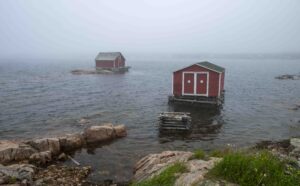
Fogo Island
Population: Around 550,000 residents live in the entire province, with the majority on the island of Newfoundland.
- It has Viking roots. The first known Norse settlement, dating back over a thousand years, is in Newfoundland.
- Irish accent. Due to historical isolation, some local accents sound remarkably close to traditional Irish dialects heard in Waterford, Ireland.
- Whales and Puffins: The region hosts the world’s largest group of humpback whales and massive Atlantic puffin and gannet colonies.
How and when should I apply? As we are limiting the group size to 8 participants and anticipate that this program will be popular, we recommend that you apply early to reserve a spot. To apply, please give us a call at 207-230-4025 or send an email to dave@cellonline.org to have an informal interview to determine if this is the right program for you. Once accepted into the program, we require a $500 deposit to reserve your spot. The deposit is applied to the overall cost of the program.
Past Participant Testimonials: “I highly recommend the CELL program and its energetic, knowledgeable leader for an
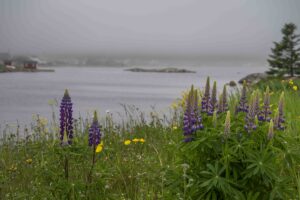
Lupin in Fog
enriching experience way beyond that of a typical tourist agenda. I cannot believe how much we learned and how much we saw in that one week!” – Judy
“I started this trip somewhat hesitantly, not really knowing what to expect. I was pleasantly surprised how much I enjoyed the other-than-photography events focused on awareness and sustainability. Highlights for me were, of course, the photographic opportunities. But more so the tree planting event, and the interactions, including memorable dinners, with a local farmer and a collector of antiques and restorer of Icelandic history.” – Sabine
“I highly recommend this wholesome Icelandic experience – ecological features, sustainability efforts, visiting Icelandic families and plenty of photographic opportunities at iconic and exclusive places including photo-shooting puffins.” – Anis
For more information or to book a reservation, contact Dave Oakes, Founder and Director of CELL: 16320 Decker Place, Derwood, MD 20855; email: dave@cellonline.org; or telephone: (207) 230-4025. Let us know if you have any questions. We look forward to hearing from you!
**************
Acadia National Park: Five-Days of Landscapes, Seascapes, and Skyscapes on Beautiful Mount Desert Island in Maine
National Parks are the best idea we ever had. – Wallace Stegner
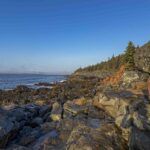
Acadia Coastline
Come join us for a stunning five-day photography adventure in one of America’s most spectacular coastal national parks. Set on the rugged shores of Mount Desert Island, this immersive program is designed for photography enthusiasts passionate about capturing the beauty of nature through landscape, seascape, and night-sky photography. From the first light of dawn illuminating granite cliffs to dramatic sunsets over the Atlantic and the dazzling stars of the Milky Way arching across Acadia’s dark skies, each day offers extraordinary opportunities to create memorable images. We’ll photograph iconic locations as well as lesser-known gems, carefully timing outings to take advantage of best light and weather conditions.
This is much more than a photography tour. It is an opportunity to slow down, connect with nature, refine your creative vision, and enjoy the camaraderie of fellow photographers in one of the most inspiring landscapes in New England. Whether you’re an enthusiastic beginner eager to improve your skills or an experienced photographer looking to expand your portfolio, you’ll be inspired by Acadia’s natural beauty. Our small group size ensures plenty of individual guidance and a relaxed schedule.
What will you do?
- Five days of guided Photography in Acadia National Park and Mount Desert Island
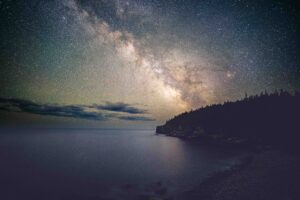
Night Sky
- Sunrise and sunset sessions at iconic coastal and mountain locations
- Astrophotography under Acadia’s remarkable dark night skies, including Milky Way photography when conditions permit
- Creative coaching and group sharing to help you develop stronger compositions and more compelling images
- Opportunities to photograph rugged coastlines, granite peaks, forests, lighthouses, tranquil lakes, and the ever-changing Atlantic Ocean.
Come experience the magic of Acadia through your lens and return home with stunning photographs, new skills, lasting friendships, and memories that will inspire your photography for years to come.
Tentative itinerary
Day 1 – Arrival and Introduction to Acadia’s Coastal Landscapes
Morning/Midday
- Welcome orientation and photography program introduction
- Review of camera settings, composition techniques, and creative goals for week
- Introduction to Acadia National Park’s unique landscape and photography sites
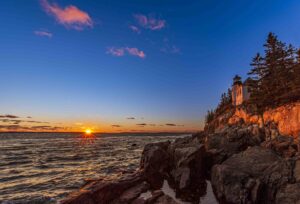
Bass Harbor Lighthouse
Late Afternoon Photography Session
- Explore the scenic coastline of Mount Desert Island
- Photograph dramatic ocean views, granite shorelines, and forested landscapes
- Practice composition techniques using foreground elements, leading lies, and changing coastal light
Sunset Session
- Sunset photography along the Atlantic coastline
- Capture waves, reflections, and the changing color of the evening sky
Day 2 – Cadillac Mountain Sunrise and Iconic Acadia Landscapes
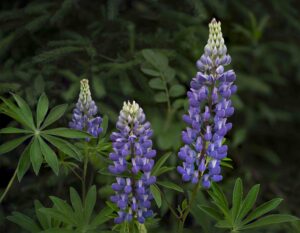
Ubiquitous Lupin Fields
Early Morning
- Pre-dawn departure for the summit of Cadillac Mountain
- Photograph the first light of day touching the highest point on the U.S. Atlantic coast
- Capture panoramic views of Frenchman Bay, surrounding islands, and distant horizons
- Photograph granite formations, carriage roads, lakes, and forest landscapes
Late Afternoon/Sunset
- Photograph Sunset at Otter Point on Ocean Drive
- Capture dramatic mountain and coastal scenes as the sun lowers over the landscape
Day 3 – Bass Harbor Lighthouse and Coastal Seascapes
Morning Photography
- Sunrise or early morning exploration of Otter Point and/or other locations on Ocean Drive
- Photograph quiet coves, rocky shorelines, and reflections during soft morning light
Late Morning/Afternoon
- Visit the iconic Bass Harbor Lighthouse
- Photograph Seawall and Bass Harbor fishing village
- Photograph Pretty Marsh for wilder, less-traveled photography opportunities
Sunset
- Return to the coast for golden-hour and blue-hour light
- Focus on dramatic skies, lighthouse compositions, and long exposure seascapes
Day 4 – Jordan Pond, Lakes, Forests, and Astrophotography Adventure
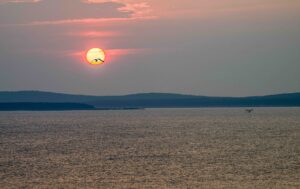
Acadia Sunrise
Morning
- Sunrise photography at Jordan Pond
- Capture the classic Acadia landscape featuring the clear waters of Jordan Pond and the North and South Bubble Mountains
- Explore reflections, mist and intimate landscape compositions
Early Afternoon – Rest
Late Afternoon and Evening
- Astrophotography under Acadia’s protected night skies
- Sites include Ocean Drive near Otter Point and Jordan Pond
- Practice night photography techniques including focus, exposure settings, composition and light management
Day 5 – Final Sunrise, Creative Exploration, and Farewell
Early Morning
- Final Sunrise session at a selected Acadia location based on weather and tides
- Possible locations include: Cadillac Mountain area, Schoodic Peninsula, Sand Beach, Otter Cliffs, etc.
Afternoon
- Final opportunities for landscape and seascape photography
- Image review, creative discussion, and sharing of favorite photographs from week
- Develop individual plans for creative photographic expression and celebration of our natural world
Late Afternoon/Sunset and Farewell
- End of program with a memorable sunset photography experience along Mount Desert Island’s spectacular coastline
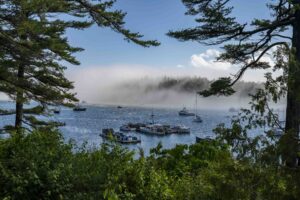
Coastal Fog
Program Cost: $500 – includes: daily transportation, pick up and drop off at your accommodation, park fees, and guided site visits. Note: Participants are on their own for meals and lodging which allows for greater budgetary choice and savings (e.g. camping at Black Woods Campground or a less expensive hotel, for example, to more luxurious accommodation).
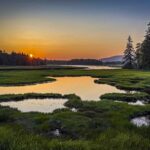
Bass Harbor Sunset
Interesting facts about Acadia:
- In 1919, Lafayette National Park became the first national park east of the Mississippi, and in 1929 it became officially named Acadia National Park after “Arcadia,” a region of Greece that the park resembles.
- Acadia was founded by private citizens who wanted to ensure that their beloved natural landscapes and views be preserved for future generations. Benefactors and visionaries like John D. Rockefeller, Jr., George Dorr, and Charles Elliott are the reason that the park exists today.
- With its diverse coastal, mountain, wetland, and forest ecosystems, Acadia is home to more than 1,000 plant species.
- The park contains 158 miles of hiking trails that range from easy walks to more rigorous hiking.
- The park’s lands are home to the Wabanaki people who inhabited these lands for 12,000 years.
- At 1,530 feet, Cadillac Mountain is the highest point on the U.S. Atlantic coast and has some of the earliest views of sunrise in the country.
For more information, or to apply to attend the 2027 Acadia photography program, contact Dave Oakes by phone or text at 207-230-4025 or by email at dave@cellonline.org. We welcome your application.
Wildlife and Landscapes of Grand Teton and Yellowstone National Parks
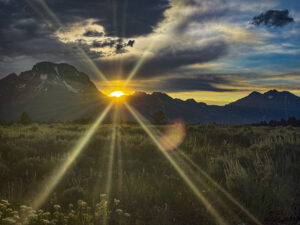
Come join us for a seven-day photography adventure to two of America’s most iconic national parks.
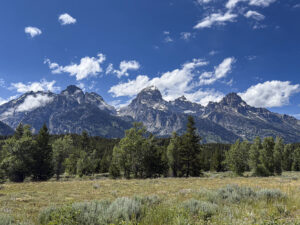
Grand Teton National Park is dominated by the Teton Mountain Range which soars over a landscape rich with wildlife, pristine lakes, and magnificent alpine landscapes. As the National Park Service (NPS) states, “For over 11,000 years, communities have thrived in the valley known as Jackson Hole, turning these mountains into more than just peaks—they embody imagination and enduring human connection.” Yellowstone National Park is equally inspiring and renowned for its abundant wildlife of bison, bears, wolves and elk, and the largest concentration of geothermal hot springs in the world. Yellowstone was America’s, and the world’s, first national park. Together, these two iconic national parks embody more than inspiring beauty, they represent “the protection and celebration of the U.S.’s natural, historical, and cultural heritage for the enjoyment and benefit of present and future generations” (NPS mission).
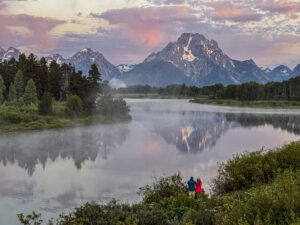 Who should attend? Our Grand Teton and Yellowstone tour is offered for photography enthusiasts of all skill levels who would like to experience wild, majestic beauty while creating photographic images that inspire the soul. The key focus of this program is on your uniqueness and vision as a photographer. What do you see? How do you see yourself, the world around you? How can a photograph tell a story (a story of how you see the world)? This program will invite you to become more aware of a sense of place, the natural world around us, and how you see your relationship with our world. During the program, you will connect with inspiringly beautiful natural areas, learn about the National Park Service’s vital mission to preserve natural areas for future generations, and explore the role you can play in inspiring people to protect our natural treasures. You will also be challenged and supported in moving beyond simply “taking pictures” to “making photographs” that reflect your unique vision of how you see the world… If you would like to:
- Explore the inspiring beauty of two of America’s most iconic national parks
- Learn about the National Park Service’s important mission
- Reconnect with our amazing natural world
- Evolve your photography practice by deepening your ability to visualize a story you want to tell before you hit the shutter button, then we invite you to join us for this photography adventure!
What will you do?
During this seven-day photography travel tour, you will:
• Experience some of America’s, and the world’s, most captivating landscapes and natural and geological areas, and learn how to take stunning photographs that capture the beauty of these natural areas; 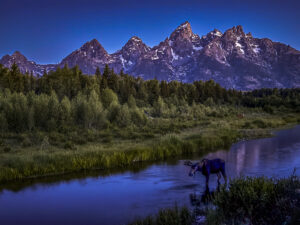
• Participate in practical, hands-on photography mini-workshops that unlock secrets to taking stunning wildlife and landscape photos;
• Master the technical aspects of making photographs in raw format using manual, aperture, and shutter priority modes;
• Learn and practice the artistic aspects of photography that enable you to create photos that tell a story, including: identifying the hero in your photography composition; minimizing villains; and gaining skill with light and color, depth of field, layering, leading lines, etc.
• Explore two of America’s most awe-inspiring and geologically unique national parks;
• Learn about the history, culture, and ecology that has shaped the land and resources of these two renowned parks;
And, perhaps most importantly, learn about what you can do to help protect our national treasures, and make a commitment to doing so..
You may also learn some post-processing strategies, develop a beginning portfolio of your images, and learn how to share your photos with others.
When will we go? September 19 to 26 (suggested date, but we can plan this to fit your goals and schedule)
 What is the itinerary? The following is a tentative schedule:
Day One (Saturday, September 19, 2026): Arrive in Jackson Hole by early afternoon. For those flying into Jackson Hole Airport, you will be picked up at the airport and transported to your hotel, guest house, or campsite. Note: you are responsible for booking your accommodation which is not included in the program cost. This will enable you to tailor your lodging to your comfort level and budget needs. Optional late afternoon landscape and wildlife photography shoot.
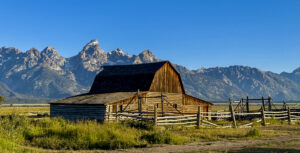
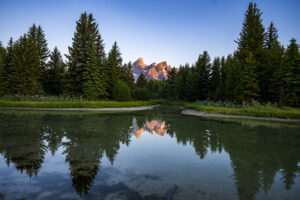
Day Two (Sunday, September 20, 2026): Breakfast on your own. You will be picked up at your accommodation site early in the morning. Our first stop is photographing the sunrise illuminating the peaks of the Grand Tetons and reflected in the water at Schwabacher Landing. As we will need to arrive before sunrise, this will be an early morning outing. Next, we will visit Mormon Row to photograph the famous barns and landscapes in early morning soft light. Next, we make a stop at the Snake River Outlook made famous by Ansel Adam’s famous black and white photograph. Then lunch and back to your accommodation for a siesta. In the afternoon, we photograph the Jackson Hole Overlook, and the Jenny Lake Loop and Overlook. Dinner in Jackson. Optional after dinner photography of wildlife near Jackson and/or evening astrophotography (weather dependent). Mini-Photography Workshop 1: How to make your photos sing: (Nature and Landscape Composition tips). To bed early. Focus questions for the day: What is the National Park Service’s mission and why is it important in 2026? What are some landscape and composition tips I can practice during this trip?
Day Three (Monday, September 21): Breakfast on your own. You will be picked up at your accommodation site early in the 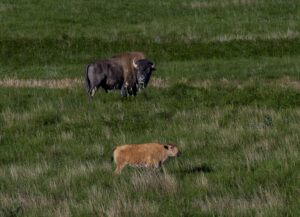 morning. Arrive early to Oxbow Bend to capture the fall foliage and Mt. Moran reflected in the Snake River. Then visit Jackson Lake Overlook for a sweeping landscape photo of this beautiful lake. Then we head to Signal Mt. for a majestic Tetons panorama shot. Lunch is at Pioneer Grill at Jackson Lodge. In the afternoon, we visit the Chapel of the Transfiguration for photos of this iconic church and historical area. In the afternoon, photo opportunities include: Snake River Canyon, Kahuna Overlook, and potential elk and moose photography at Wilson Road, an eight mile windy, scenic road and at Moose Junction. Dinner in Jackson. Mini-photography Workshop 2: How to make your photos sing part two: (Subject and Story). What are some techniques for capturing stunning panoramas? How does wildlife adapt to the ecology of this area? How does the subject you focus on and the story you want to tell merge to make a dynamic photograph? What most surprised or excited you today?
Day Four (Tuesday, September 22): Breakfast on own. Morning wildlife photography shoot at Gros Ventre, Mormon Row, and/or Willow Flats. Lunch site TBD. Afternoon drive to Yellowstone National Park. Capture the geothermal activity at Upper Geysir Basin and Old Faithful. Dinner TBD at site near Old Faithful. Mini-photography Workshop 3: How to make your photos sing – Landscape photography tips. Focus questions for the day: How do we capture dynamic wildlife and reflection photos? After dinner option to photograph Grand Prismatic Spring. Focus questions for the day: Is geothermal power a sustainable energy source in the U.S., and beyond? What are you discovering about light and its relationship to making photos that sing? Share photos. Note: Please make accommodation reservations at or near Yellowstone Canyon Village as this will enable efficient morning pickups and afternoon drop offs. Also, please check with Dave prior to booking your accommodation to ensure that we are all staying at accommodation close to one another.
Day Five (Wednesday, September 23): Breakfast on own. Visit Lamar Valley and Hayden Valley, known as the Serengeti of North America for their abundance of bison, elk, and wolves. In the afternoon, visit Mammoth Hot Springs (Note: this area also has a resident elk population). Lunch TBD on route.. Mini-Photography Workshop 5: Putting it all together (a good photo has five ingredients: light, composition, story, perspective, and mood). Focus questions for the day: What impact did the reintroduction of wolves have on the greater Yellowstone ecosystem? What inspired you today? What did you discover about integrating the five components of making dynamic photos (i.e. light, composition, subject/story, perspective, and mood)? Share photos from today.
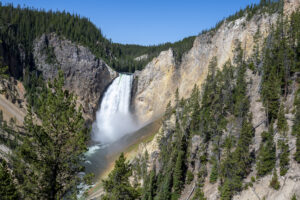 Day Six (Thursday, September 24): Breakfast on own. Visit the Grand Canyon of Yellowstone and its dramatic waterfalls. Other site visits include: Artist Point, Inspiration Point, and Brink of Lower and Upper Falls. Visit Thumb Geyser Basin and Yellowstone Lake. Then visit the historic Fishing Bridge area for some unique photography opportunities. Lunch TBD on route. Mini-Photography Workshop 6: Put together a thematic set of photos related to a topic of your choice (e.g. wildlife, inspiring landscapes, beauty of nature, etc.). Focus questions: How can photography be a tool for inspiring people to protect our environment? How is the celebration of natural beauty an act of activism? How are we a part of nature and nature a part of us? What inspires you and how do you share this inspiration with others? Share photos of the day with group.
Day Seven (Friday, September 25): Breakfast on own. Early morning wildlife viewing and photography on route from Yellowstone back to Grand Teton National Park. The afternoon photography shoot will be favorite sites chosen by participants. Focus questions for the day: How can photography be a tool for inspiring people to live sustainably and protect our environment? How are we a part of nature and nature a part of us? What inspires you, and how do you share this inspiration with others? What is your favorite photo of the day? Note: We will be back in Jackson, Wyoming for accommodation this evening.
Day Eight (Saturday, September 26): Breakfast on own. For those flying home, we will provide transportation from your accommodation in, or near the town of Jackson to the Jackson Hole Airport.
 What camera equipment should you bring? We recommend bringing the following: a digital SLR or mirrorless camera (a phone camera is also an option); a sturdy, portable tripod; a day pack to carry your camera equipment, layers of clothes, rain gear, lunch, water bottle, etc.; several SD cards; extra batteries and charger; camera manual; and a wide-angle lens (e.g. in the 15 to 35mm focal length range). A workhorse lens, like a 24mm to 120mm, or similar, could also be an option. Additional equipment to consider bringing: ND filters, a remote shutter release if your camera doesn’t have an auto-timer, and additional lenses (zoom, macro, for example). We also strongly encourage you to bring a laptop computer with post-processing software, such as Lightroom. We will provide a detailed equipment list of what to bring for personal gear.
What level of physical fitness is required? You will get the most out of this experience if you are in adequate physical condition (e.g. able to walk 2 miles on moderate terrain carrying a day pack with your camera, rain gear, and water bottle). We will not be taking long, rigorous hikes; however, you should be comfortable walking a mile or more to get the most out of this experience. 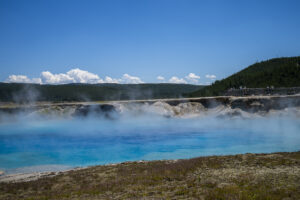
Who are we? Dave Oakes and his wife, Sue, are co-founders of the Center for Ecological Living and Learning (CELL), a nonprofit inspiring vision and action for a healthy, sustainable planet. Dave has a doctorate in environmental education, is a former Professor of Environmental Education at Unity College in Maine and Principia College in Illinois, former director of four nonprofit organizations, has been offering educational learning adventures in the U.S. and around the world for over twenty-five years, and is passionate about stewarding our beautiful green and blue planet. He loves nature, landscape and wildlife photography and has a passion for adventure travel. Dave was awarded the 2025 Gaithersburg, Maryland Camera Club’s Digital Photographer of the year. Here’s a link to CELL’s website.
What are the Costs?
$1,200 per person (which includes transportation from the Jackson Hole Airport to your accommodation, daily guided excursions, and all group travel during the week. Does not include round trip airfare, meals, lodging, and National Park entry fees (a lifetime NPS pass cost $80). Your freedom to choose your own accommodation and meals will enable you to tailor costs of the program to your budget and travel needs. For information on accommodation in Jackson, Wyoming and at Yellowstone’s Canyon Village, check online or with a travel agent. If you would like to camp, we recommend Gros Ventre Campground in Teton National Park and Canyon Campground in Yellowstone. Note: Again, please check with Dave before booking your hotel or campsite to ensure that you make a reservation near the sites we will be visiting and for convenience of program transportation for pick ups and drop offs.
 How big is the group? The program is limited to six to eight participants. This small group size enables us to have a close-knit relationship and to give individual attention to each participant.
How and When should I apply? Grand Teton and Yellowstone National Parks are popular travel destinations, and we anticipate that this program will be popular as well. As we are limiting our group size to a maximum of 8 participants, we recommend that you apply early so as to reserve a spot. To apply, please drop us an e-mail or text us or give us a call at the number below, and we will set a time to have an informal chat to ensure that the program is a right fit for you. Once accepted into the program, we require a $500 deposit to reserve your spot. The deposit is applied to the overall cost of the program.
For more information or to book a reservation, contact Dave Oakes, Founder and Director of CELL: 16320 Decker Place, Derwood, MD 20855; email: dave@cellonline.org; or telephone: (207) 230-4025. Let us know if you have any questions. We look forward to hearing from you!
**************
How do CELL Custom Programs work?
CELL works with individuals, or a group, to offer unique, domestic and international learning adventures to inspiringly beautiful locations. Our programs are more than sight-seeing travel excursions. During a CELL program, you will have an adventure of a lifetime while becoming immersed in local cultures, learning about the history that has helped to shape your host country, learn about ecology while exploring a tropical rainforest, learn about geology while visiting a volcano or glacier, learn about conservation while helping tag endangered sea turtles, learn about the principles of sustainability while living in an eco-village, learn how one life, your life, can make a BIG difference in the world through committing to taking action when you return home. A CELL program will transform how you view yourself and your relationship with others and your natural world. Regarding logistics, CELL takes care of logistical and travel arrangements, in-country lodging and food, teaching and guiding, etc. This enables you to focus on having an adventure of a lifetime.
CELL Iceland Photography and Sustainability Travel Programs
We also offer tailored adult travel programs to Iceland, within the U.S., and to other countries.
If you are interested in a sustainability, photography, or unique cultural and environmental adventure in the United States or internationally, contact us and we’d be happy to have a conversation and design a program tailored to your needs and interests.
For more information or to explore possibilities, contact Dave Oakes, Founder and Director of CELL: 16320 Decker Place, Derwood, MD 20855; email: dave@cellonline.org; or telephone: (207) 230-4025. Let us know if you have any questions. We look forward to hearing from you!
Who are we?
The Center for Ecological Living and Learning’s (CELL’s) mission is to inspire a vision and action for sustainable living. We have been bringing groups on educational learning adventures to Iceland and other countries for twenty years – focusing on a theme of sustainability through community. In addition to offering an adventure of a lifetime, a CELL program will inspire you to return home and employ what you have learned through implementing sustainability initiatives in your home and community. Here’s a link to CELL’s website. The founders of CELL, Dave and Sue Oakes, have over twenty years of experience leading education programs abroad and in the U.S.